
Weaning Hub
Everything you need to guide your baby's weaning journey.
Is it safe for baby weaning?
Check any food — we'll flag risks and suggest smarter alternatives.
Scan a Food Label
Photo any label — AI flags concerns for baby weaning.
Tap to upload or take a photo
Getting started with baby cereals
Fortified cereals are a popular first food — they're easy to prepare, gentle on tiny tummies, and provide key nutrients like iron that babies need from 6 months. Here's what to know.
Baby cereals like CERELAC are iron-fortified — important because breast milk iron decreases after 6 months.
Always mix with warm (not hot) liquid and check temperature before serving.
Start with a thin consistency and gradually thicken as your baby gets used to eating from a spoon.
CERELAC range by stage
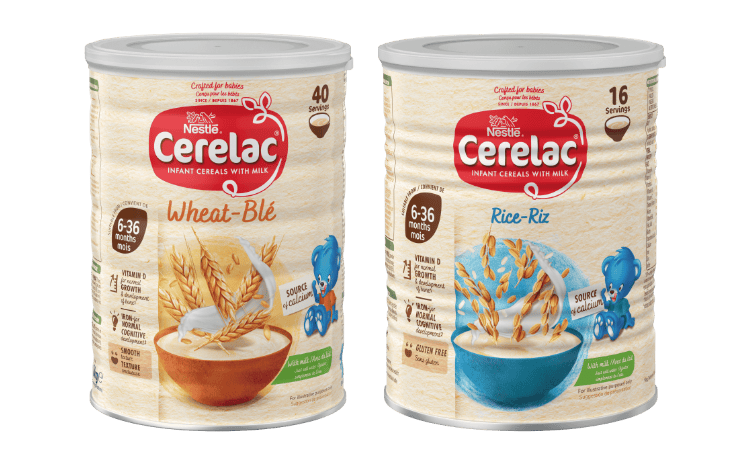
CERELAC Wheat
A classic first cereal — smooth, iron-fortified wheat porridge that mixes easily with breast milk, formula or water. A gentle introduction to grains.
💡 How to use: Mix 4 teaspoons with warm milk or water for a smooth, lump-free consistency. Serve warm.
View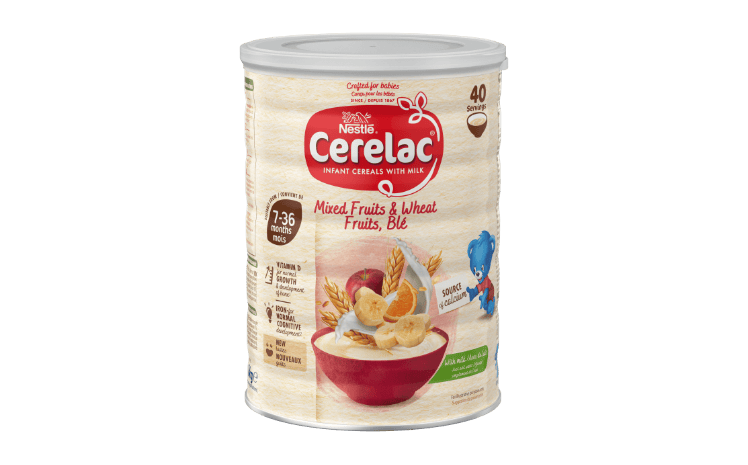
CERELAC Wheat & Mixed Fruit
Iron-fortified wheat cereal blended with natural fruit flavours. Helps babies accept a wider variety of tastes alongside their milk feeds.
💡 How to use: Great stirred through plain yoghurt or served alongside purées to add variety to mealtimes.
View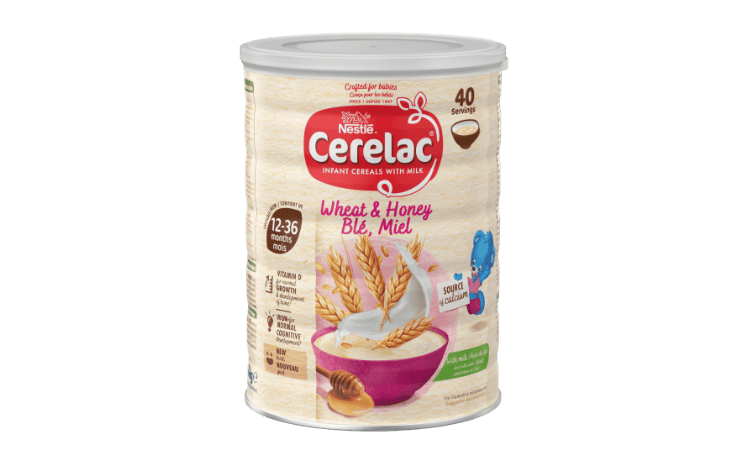
CERELAC Morning Bears
Soft, finger-food shaped cereals fortified with iron, calcium and vitamins. Designed for self-feeding toddlers developing their independence at mealtimes.
💡 How to use: Serve dry as a finger food or with a splash of milk for breakfast.
ViewContent in partnership with Nestlé CERELAC UK · cerelac.co.uk
Baby Tracker
Feeds, sleep & nappies
Meal Planner
Weaning-friendly plans
Symptom Diary
Track reactions & patterns
Community Q&A
Expert weaning answers
Ask our Weaning Expert
Chat with Jess, our weaning specialist — get stage-specific advice on textures, allergies, and first foods.
The NHS recommends waiting until around 6 months. Digestive systems and motor skills are still developing. Introducing solids too early can increase risk of choking and allergies.
Readiness signs
- ✓Can sit up with minimal support and hold head steady
- ✓Shows interest in food — reaching, watching others eat
- ✓Has lost the tongue-thrust reflex (doesn't push food out automatically)
Foods to offer
- • Single-ingredient purées
- • Soft vegetable sticks (BLW)
- • Baby rice mixed with milk
Key milestones
- • First tastes
- • Single flavours
- • Learn to swallow
Readiness signs
- ✓Moving food around mouth with tongue
- ✓Reaching for food and starting to self-feed
- ✓Showing hunger cues between milk feeds
Foods to offer
- • Mashed & soft lumpy textures
- • Finger foods (soft strips)
- • Protein sources (egg, lentils, chicken)
Key milestones
- • 3 meals a day by 9 months
- • Pincer grip developing
- • Drinking from a cup
Readiness signs
- ✓Using fingers and spoon to self-feed
- ✓Good pincer grip
- ✓Eating a variety of textures
Foods to offer
- • Most soft family foods
- • Chopped soft fruit & veg
- • Cheese, yoghurt, pasta, meat
Key milestones
- • 3 meals + 2 snacks
- • Cup for water
- • Joining family mealtimes
Readiness signs
- ✓Eating a wide range of textures
- ✓Communicating hunger/fullness
- ✓Using a spoon more independently
Foods to offer
- • Full family meals (low salt)
- • Whole milk as main drink
- • Most foods except honey
Key milestones
- • Milk as drink not main nutrition
- • Neophobia (fussy eating) may begin
- • Enjoying mealtimes socially